Tips for Efficient Concrete Removal in Des Moines: From Start to Finish
April 30, 2026
Concrete removal is a critical phase in construction, renovation, and demolition projects, especially in rapidly developing cities like Des Moines. Whether it involves breaking down old driveways, dismantling foundations, or clearing outdated industrial slabs, the process demands precision, planning, and the right equipment. Without a structured approach, concrete removal can quickly become costly, time-consuming, and hazardous for workers and surrounding structures. Proper execution also ensures that the surrounding soil stability and nearby utilities remain protected throughout the demolition process.
In today’s construction landscape, efficiency in concrete removal is not just about speed; it is about safety, environmental responsibility, and cost control. Contractors, property owners, and developers in Des Moines increasingly prioritize methods that reduce disruption while ensuring complete and clean removal of unwanted concrete structures. This has made strategic planning and modern demolition techniques essential components of every successful project. From initial site assessment to final debris hauling, each step plays a vital role in achieving a smooth workflow and optimal results. Understanding best practices can significantly improve productivity while minimizing risks and unexpected delays throughout the project lifecycle. Advancements in equipment and techniques continue to reshape how projects are executed with greater precision and reliability.
1. Planning and Site Assessment for Concrete Removal
Evaluating Structural Conditions
Efficient concrete removal begins long before physical work starts. A detailed site assessment identifies slab thickness, reinforcement type, and overall structural condition. Knowing whether steel rebar or mesh is present directly impacts removal strategy, equipment selection, and safety planning. Proper evaluation ensures smoother execution, reduces unexpected complications, and supports accurate planning for labor, machinery, and time requirements throughout the project.
Identifying Surrounding Risks
before demolition begins. Missing these critical elements can result in costly damage, project delays, and serious safety hazards. A structured risk evaluation ensures controlled demolition, protects surrounding infrastructure, and allows crews to operate confidently while maintaining precision, minimizing disruptions, and ensuring compliance with local safety regulations and construction standards.
Creating a Removal Strategy
A clear step-by-step removal strategy streamlines the entire demolition process. It includes selecting appropriate techniques, assigning machinery, and estimating debris disposal requirements. Proper planning reduces downtime, improves coordination between crews, and enhances workflow efficiency. A well-structured strategy ensures smoother transitions between phases, allowing the project to move from preparation to completion with greater speed, safety, and operational accuracy overall.
2. Choosing the Right Tools and Equipment
Heavy Machinery Selection
Equipment choice directly impacts demolition efficiency and project speed. Hydraulic breakers, skid steers, and excavators are commonly used based on slab size and strength. Larger, reinforced concrete sections often require industrial-grade machinery for effective removal. Selecting appropriate heavy equipment ensures faster breaking, reduced manual labor, improved precision, and safer operations while minimizing delays and maintaining consistent productivity throughout work.
Handheld Tools for Precision Work
In confined or sensitive areas, handheld tools provide necessary control and accuracy. Jackhammers and concrete saws are commonly used where large machinery cannot operate safely. These tools reduce vibration impact on nearby structures and allow precise dismantling. Their use ensures careful removal in tight spaces, protecting surrounding infrastructure while maintaining efficiency and delivering controlled results during detailed demolition work phases.
Technology-Driven Equipment Use
Modern demolition increasingly relies on advanced equipment such as concrete crushers and dust suppression systems. These innovations enhance productivity while reducing environmental impact and airborne debris. Technology-driven tools improve safety conditions, streamline operations, and increase efficiency across all project stages. Their integration ensures cleaner worksites, faster processing, and improved compliance with environmental standards, making demolition more sustainable and effective overall.
3. Safety Measures During Concrete Demolition
Protective Gear and Compliance
Safety remains a top priority throughout all concrete removal activities. Workers must wear helmets, gloves, safety boots, and eye protection to reduce injury risks. Compliance with occupational safety guidelines ensures controlled operations and minimizes accidents. Proper adherence to safety protocols creates a secure work environment, improves efficiency, and supports consistent performance while reducing liability and maintaining regulatory compliance standards.
Dust and Noise Control
Concrete demolition produces significant dust and noise, requiring strict control measures. Water spraying systems and dust collectors help reduce airborne particles effectively. Noise reduction strategies minimize disturbance to surrounding areas and ensure compliance with local regulations. These measures create a safer, cleaner working environment while improving visibility, communication, and overall operational efficiency during all phases of demolition activity execution.
Structural Stability Monitoring
Continuous structural monitoring is essential during concrete removal, especially near load-bearing elements. Regular inspection prevents accidental collapses and ensures controlled demolition progress. Stability checks allow early detection of risks, enabling timely corrective actions. This approach maintains worker safety, protects surrounding structures, and ensures that demolition activities proceed smoothly without compromising integrity or causing unintended damage to adjacent construction components.
4. Efficient Demolition Techniques for Faster Results
Controlled Breaking Methods
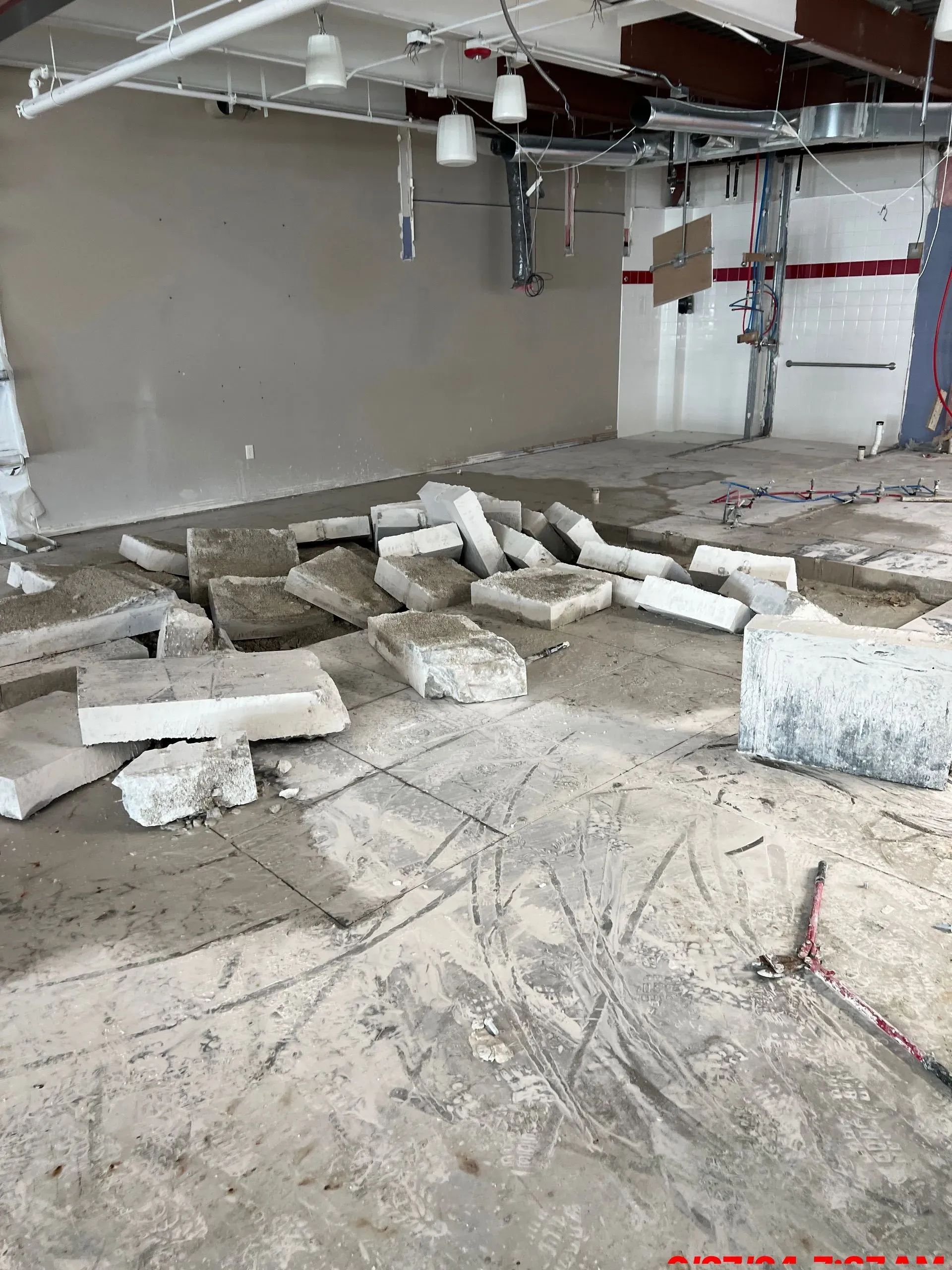
Controlled breaking techniques divide concrete into manageable sections for systematic removal. This approach reduces equipment strain and improves overall efficiency during demolition. Segmenting slabs allows better handling, faster cleanup, and reduced operational risks. It ensures smoother workflow, minimizes structural stress, and enhances precision, making the entire demolition process more organized, predictable, and efficient while maintaining consistent productivity throughout execution stages.
Saw Cutting for Precision Removal
Concrete saw cutting creates precise separation lines before breaking begins, ensuring accuracy during demolition. This method reduces unnecessary damage to surrounding structures and improves edge quality. Clean cuts enhance removal efficiency and simplify debris handling. Saw cutting also allows better control over breakage patterns, supporting safer operations and contributing to faster project completion while maintaining high-quality structural demolition outcomes overall.
Hydraulic Breaking Efficiency
Hydraulic breakers deliver powerful impact force for large-scale concrete demolition projects. Their strength allows quick fragmentation of thick, reinforced slabs, significantly reducing project duration. When used correctly, they improve productivity, lower manual effort, and ensure consistent breaking performance. These tools are essential for efficient large-area demolition, enabling faster execution while maintaining control, safety, and operational precision across demanding work environments.
5. Waste Management and Site Cleanup
Sorting and Recycling Concrete
Proper waste segregation is essential during concrete removal. Recyclable materials can be processed into aggregates for future construction use, reducing environmental impact. This approach lowers disposal costs while promoting sustainability. Efficient sorting improves site organization, supports eco-friendly practices, and ensures compliance with regulations. Recycling also enhances resource efficiency, making demolition projects more responsible and environmentally conscious in modern construction practices.
Transportation of Debris
Efficient debris transportation ensures a clean and safe worksite throughout demolition operations. Timely hauling of broken materials prevents clutter buildup and reduces safety risks. Proper logistics planning improves workflow continuity and minimizes downtime. Using designated transport systems ensures structured movement of waste, maintaining project efficiency, and allowing smooth transitions between demolition phases while supporting organized site management practices effectively.
Final Site Preparation
After debris removal, the site must be leveled, cleared, and thoroughly inspected. This final step ensures readiness for future construction or redevelopment activities. Proper site preparation improves safety, enhances usability, and confirms completion of demolition work. It marks the transition from removal to redevelopment, ensuring a stable foundation for upcoming projects while maintaining high standards of cleanliness and precision overall.
6. Cost Optimization and Project Efficiency
Reducing Unnecessary Delays
Efficient scheduling and coordination help eliminate unnecessary downtime during concrete removal projects. Proper planning ensures each phase transitions smoothly into the next. Reduced delays improve productivity, lower operational costs, and maintain workflow consistency. Effective time management enhances overall project efficiency, allowing faster completion while ensuring resources are used effectively without interruptions or unnecessary disruptions during demolition activities execution stages.
Minimizing Equipment Overuse
Using the right machinery for specific tasks prevents excessive wear and reduces maintenance expenses. Proper equipment allocation extends machine lifespan and improves operational reliability. Avoiding overuse also ensures consistent performance and reduces breakdown risks. Strategic usage enhances efficiency, lowers costs, and supports smoother project execution while maintaining productivity and minimizing unnecessary strain on essential demolition equipment throughout operations effectively.
Smart Resource Allocation
Effective resource allocation improves productivity and ensures skilled operators handle critical demolition tasks. Balanced distribution of labor and machinery reduces errors and enhances coordination. Proper planning maximizes efficiency while minimizing waste and operational risks. Strategic workforce management improves overall performance, ensuring smooth execution, higher output quality, and better control over project timelines during complex concrete removal and demolition processes overall.
Reliable Solutions From Experienced Demolition Professionals
Efficient concrete removal in Des Moines requires a combination of planning, safety awareness, modern equipment, and structured execution. Each stage, from assessment to cleanup, contributes to project success and long-term cost savings. A disciplined approach ensures reduced risks, faster completion times, and improved site readiness for future development. Precision and preparation remain the foundation of effective demolition work, especially in urban construction environments where efficiency is essential. Consistent coordination between planning and execution further enhances overall project quality and minimizes unexpected disruptions on-site.
Blue Sky Cleaning and Demolition Services
stands as a trusted authority in Des Moines, Iowa, supported by 20
years of industry experience. Strong expertise in concrete removal, demolition planning, and site preparation allows consistent delivery of reliable, safe, and efficient solutions tailored to diverse project requirements. Advanced methods combined with skilled execution ensure dependable outcomes across residential, commercial, and industrial projects. A commitment to precision, safety, and efficiency continues to drive long-term client trust and successful project delivery.