Understanding the Legal Requirements for Demolition in Iowa
May 28, 2026
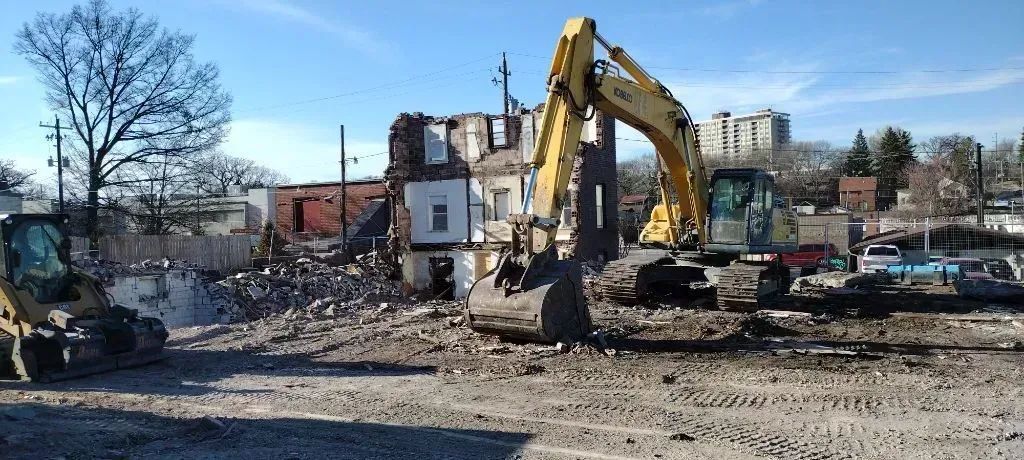
Demolition projects in Iowa require more than heavy machinery and technical expertise; they demand strict compliance with legal and regulatory frameworks designed to protect public safety, environmental integrity, and community infrastructure. Whether a structure is being removed for redevelopment, hazard mitigation, or land repurposing, understanding demolition laws is essential for avoiding penalties, delays, and safety risks. These requirements are not optional—they are enforced at local, state, and federal levels to ensure that demolition activities are conducted responsibly and systematically.
In Iowa, demolition regulations cover permits, utility disconnections, hazardous material handling, waste disposal, and environmental safeguards. Each stage of the process is governed by specific guidelines that must be followed before, during, and after demolition work begins. Contractors, property owners, and developers must navigate these requirements carefully to ensure full compliance. Failure to do so can lead to project stoppages, financial losses, or legal consequences.
This blog explores the essential legal requirements for demolition in Iowa, breaking down permits, safety protocols, environmental rules, and compliance standards. It also provides practical insights into how proper planning can streamline demolition projects while minimizing risk and ensuring adherence to all regulatory obligations within the state.
Demolition Permits and Regulatory Approvals
Understanding Permit Requirements in Iowa
Before any demolition activity begins in Iowa, obtaining proper permits is a legal requirement enforced by municipal authorities. Local building departments issue demolition permits to ensure compliance with zoning regulations, safety codes, and environmental standards. Without official approval, demolition work becomes unlawful and may face immediate suspension, penalties, or legal enforcement actions that delay project execution and significantly increase overall costs.
Application Process and Documentation
The application process for demolition permits in Iowa requires the submission of detailed project documentation to local authorities. Required materials include proof of ownership, structural details, and site plans. In many cases, inspection reports and pre-demolition evaluations are requested. Accurate and complete documentation supports faster approval timelines, reduces administrative delays, and ensures regulatory compliance throughout the permitting review process from beginning stage completion.
Local Authority Variations
Permit requirements for demolition vary across Iowa depending on jurisdictional authority and regional governance structures. Urban municipalities often impose stricter regulations due to higher population density and infrastructure complexity. Rural counties may follow simplified procedures, though compliance remains mandatory in all locations. Understanding local differences helps ensure accurate planning, avoids regulatory conflicts, and supports smoother approval processes across different regions statewide effectively.
Common Compliance Challenges
Several compliance challenges arise during demolition permitting in Iowa, often related to incomplete documentation, missing utility clearance, or failure to meet zoning requirements. Delays frequently occur when application details are inaccurate or insufficient. Early coordination with regulatory authorities significantly reduces risks, improves approval efficiency, and ensures alignment with legal standards governing demolition activities across different jurisdictions and project types, overall compliance.
Environmental and Hazardous Material Regulations
Asbestos and Lead-Based Material Management
Older structures in Iowa frequently contain hazardous materials such as asbestos and lead-based paint, requiring strict regulatory compliance before demolition begins. Federal and state laws mandate proper identification, testing, and certified abatement procedures. Licensed professionals must handle removal to prevent contamination risks, protect public health, and ensure environmental safety throughout demolition preparation and execution phases in accordance with legal requirements and standards enforced.
Environmental Protection Standards
Demolition activities in Iowa must comply with environmental protection standards designed to minimize dust, debris runoff, and soil contamination. Contractors typically use controlled dismantling techniques, water suppression systems, and containment measures to reduce environmental impact. These practices ensure regulatory compliance, protect surrounding ecosystems, and maintain public safety throughout the demolition process in accordance with established environmental guidelines and requirements consistently applied statewide.
Waste Disposal Compliance
All demolition debris in Iowa must be disposed of at approved facilities in accordance with state environmental regulations. Recycling and material recovery practices are strongly encouraged to reduce landfill dependency. Commonly recovered materials include concrete, metal, and wood, which are separated for reuse. Proper disposal ensures compliance, supports sustainability goals, and reduces the environmental impact associated with construction waste management activities overall practices.
Air Quality and Dust Control Measures
Air quality control is a critical requirement during demolition operations in Iowa, focusing on minimizing airborne dust and particulate matter. Contractors implement dust suppression systems such as water spraying, misting equipment, and protective coverings to limit dispersion. These measures are essential for maintaining compliance with environmental regulations, safeguarding nearby communities, and ensuring safe working conditions throughout demolition activities and project execution stages.
Safety Regulations and Site Preparation Standards
Structural Assessment and Pre-Demolition Inspection
A comprehensive structural assessment is required before demolition begins in Iowa to identify load-bearing components, potential hazards, and structural weaknesses. Pre-demolition inspections determine the safest demolition methods and reduce risks of unexpected collapse or injury. Proper evaluation ensures regulatory compliance, enhances operational safety, and supports efficient planning throughout the demolition process from initial assessment to project execution stages.
Utility Disconnection Requirements
Before demolition begins, all utilities in Iowa must be safely disconnected, including electricity, gas, water, and telecommunications. Utility providers are required to issue written confirmation verifying service termination to prevent accidents during demolition activities. Proper coordination with utility companies ensures site safety, reduces the risk of hazardous incidents, and complies with regulatory standards governing demolition preparation and infrastructure shutdown procedures, statewide requirements met.
Worker Safety Protocols
Strict worker safety protocols are mandatory during demolition projects in Iowa, requiring protective gear, hazard signage, and controlled access zones. Workers must be trained in demolition safety procedures and emergency response measures to minimize occupational risks. Compliance with occupational safety regulations ensures accident prevention, improves site efficiency, and maintains legal adherence throughout all phases of demolition operations and workforce management standards enforced.
Equipment and Operational Safety
Heavy demolition equipment in Iowa must be regularly inspected, maintained, and operated in accordance with established safety guidelines. Operators are required to hold proper certifications and demonstrate competency in handling machinery. Routine monitoring of equipment performance ensures operational safety, reduces mechanical failures, and supports compliance with regulatory standards throughout demolition activities and construction site operations from start to completion phases.
Structural, Zoning, and Community Compliance
Zoning Law Considerations
Zoning laws in Iowa regulate land use after demolition, determining whether properties can be redeveloped for residential, commercial, or industrial purposes. Certain areas may impose restrictions on building height, density, or permitted activities. Compliance with zoning regulations ensures future development aligns with legal requirements, prevents regulatory conflicts, and supports long-term planning strategies for property utilization and urban development within the statewide regulatory framework.
Historical Preservation Restrictions
Some structures in Iowa are protected under historical preservation laws, requiring special approval before demolition can proceed. Authorities evaluate architectural significance, cultural value, and historical importance before granting clearance. In certain cases, demolition may be restricted or prohibited entirely. Compliance with preservation regulations ensures protection of heritage assets and maintains a balance between development needs and historical conservation priorities, which is strictly enforced statewide.
Neighbor and Community Notifications
Iowa demolition regulations often require notification of neighboring property owners before work begins. This ensures surrounding communities are informed about potential noise, dust, and disruptions associated with demolition activities. Proper communication reduces disputes, improves transparency, and fosters cooperative relationships. Compliance with notification requirements also helps maintain regulatory approval and supports responsible project execution within residential and commercial environments across jurisdictional boundaries.
Post-Demolition Compliance and Site Restoration
Site Clearance and Inspection Requirements
After demolition completion in Iowa, all debris must be cleared from the site and properly disposed of according to regulatory standards. Authorities conduct final inspections to verify compliance with safety, environmental, and zoning requirements. Site clearance ensures that no hazardous materials remain, supports future construction readiness, and confirms that demolition activities were completed in accordance with legal obligations and approved plans fully.
Soil Stabilization and Land Restoration
Following demolition in Iowa, soil stabilization measures may be required to prevent erosion, sediment runoff, and environmental degradation. Restoration activities often include grading, compacting soil, and implementing erosion control systems. These practices ensure land stability, protect surrounding ecosystems, and prepare the site for future construction or redevelopment projects in compliance with environmental regulations and land management standards, and statewide long-term sustainability goals.
Documentation and Project Closure
Completion of demolition in Iowa requires submission of final documentation verifying compliance with regulatory standards. Required records include waste disposal reports, inspection approvals, and certification of completed work. Proper documentation ensures legal closure of the project, supports accountability, and confirms adherence to environmental and safety requirements established by local and state authorities governing demolition operations and construction site management overall compliance framework.
Skilled Demolition Professionals Focused on Regulatory Excellence Standards
We at Blue Sky Cleaning and Demolition Services, based in Des Moines, Iowa, bring 20 years of hands-on experience in managing demolition projects with full legal and regulatory compliance. Every project is executed with a strong focus on safety, environmental responsibility, and adherence to Iowa’s demolition laws. From securing permits to handling hazardous material removal and ensuring proper site clearance, each phase is managed with precision and accountability.
A deep understanding of local regulations allows us to streamline approval processes and minimize project delays. Careful planning ensures utility disconnections, structural assessments, and environmental safeguards are completed before any demolition work begins. This structured approach helps reduce risks while maintaining compliance with both state and municipal requirements.
Our commitment extends beyond demolition execution. Proper waste management, recycling practices, and post-demolition site preparation are integral parts of every project. This ensures that each site is ready for safe and efficient redevelopment. With a strong reputation built over 20
years, we continue to serve as a reliable authority in
demolition services across Iowa, offering clients confidence that every project meets the highest standards of legal compliance and professional execution.