The Environmental Benefts of Eco-Friendly Demolition in lowa
August 30, 2026
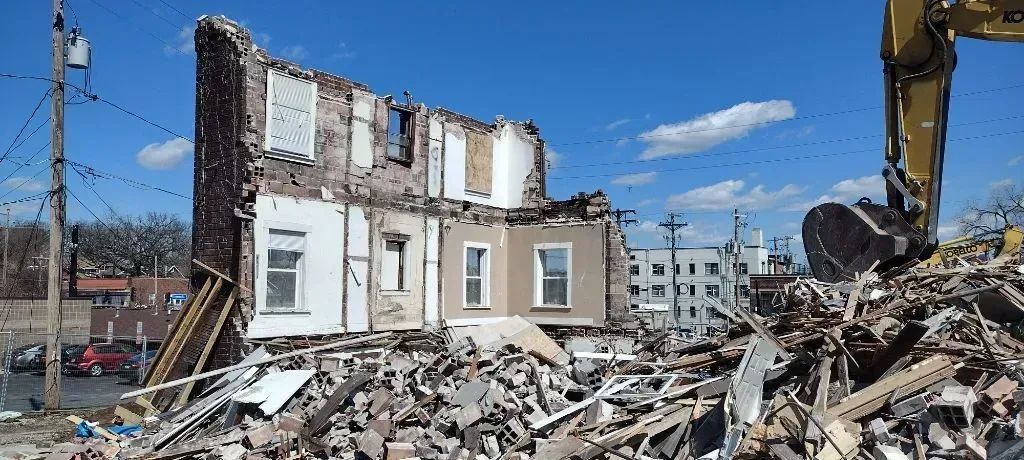
Quick Answer: Eco-friendly demolition keeps concrete, metal, wood, and other building materials out of the landfill instead of hauling everything to the dump in one load. It relies on sorting debris on site, salvaging what can be reused, crushing concrete into aggregate, and recycling metal and wood through the right vendors. Selective deconstruction, taking a building apart in a planned sequence rather than knocking it down all at once, recovers more material than a straight teardown and gives crews better control over dust and debris. National data tracked by the EPA shows the majority of construction and demolition debris in the country is now diverted from landfills rather than buried, and that diversion starts with decisions made before the first wall comes down.
You have a structure coming down and a rebuild schedule that depends on the site being cleared, cleaned, and ready. Somewhere in that plan sits a decision that shapes what happens to everything the old building was made of: does it all go to a landfill, or does a meaningful share of it go somewhere else? Concrete, steel, lumber, even fixtures and doors, all of it has a second life if a crew plans for it. Most owners and GCs never think about where their debris actually ends up. They just want it gone.
That gap between "gone" and "handled well" is where eco-friendly demolition earns its keep. It is not a different service so much as a different set of decisions made throughout a project that would otherwise be a straight teardown.
What Makes a Demolition Project Eco-Friendly
There is no single certification that makes a demolition "green." It comes down to a handful of practices applied consistently: sorting debris by material instead of dumping it into one bin, salvaging anything with reuse value before the structure comes down, controlling dust so it does not spread into the air and soil around the site, and routing recyclable material to the right processor instead of a landfill.
It Starts With The Plan, Not The Equipment
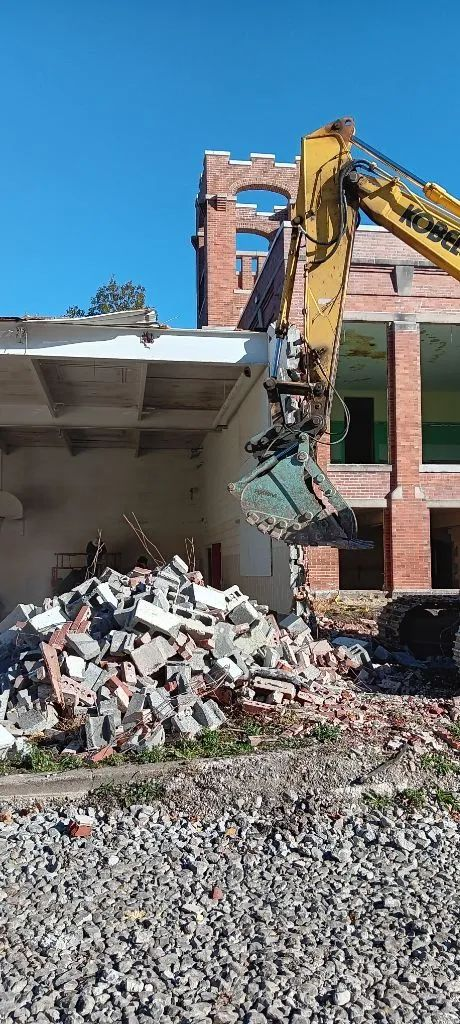
A crew using the same excavator and same crew can run a teardown two very different ways. One way, everything gets knocked down together and hauled off mixed. The other way, materials get separated as they come out, and each stream goes where it can actually be used again. The equipment barely changes. The sequence and the sorting do.
Selective Deconstruction Versus A Straight Teardown
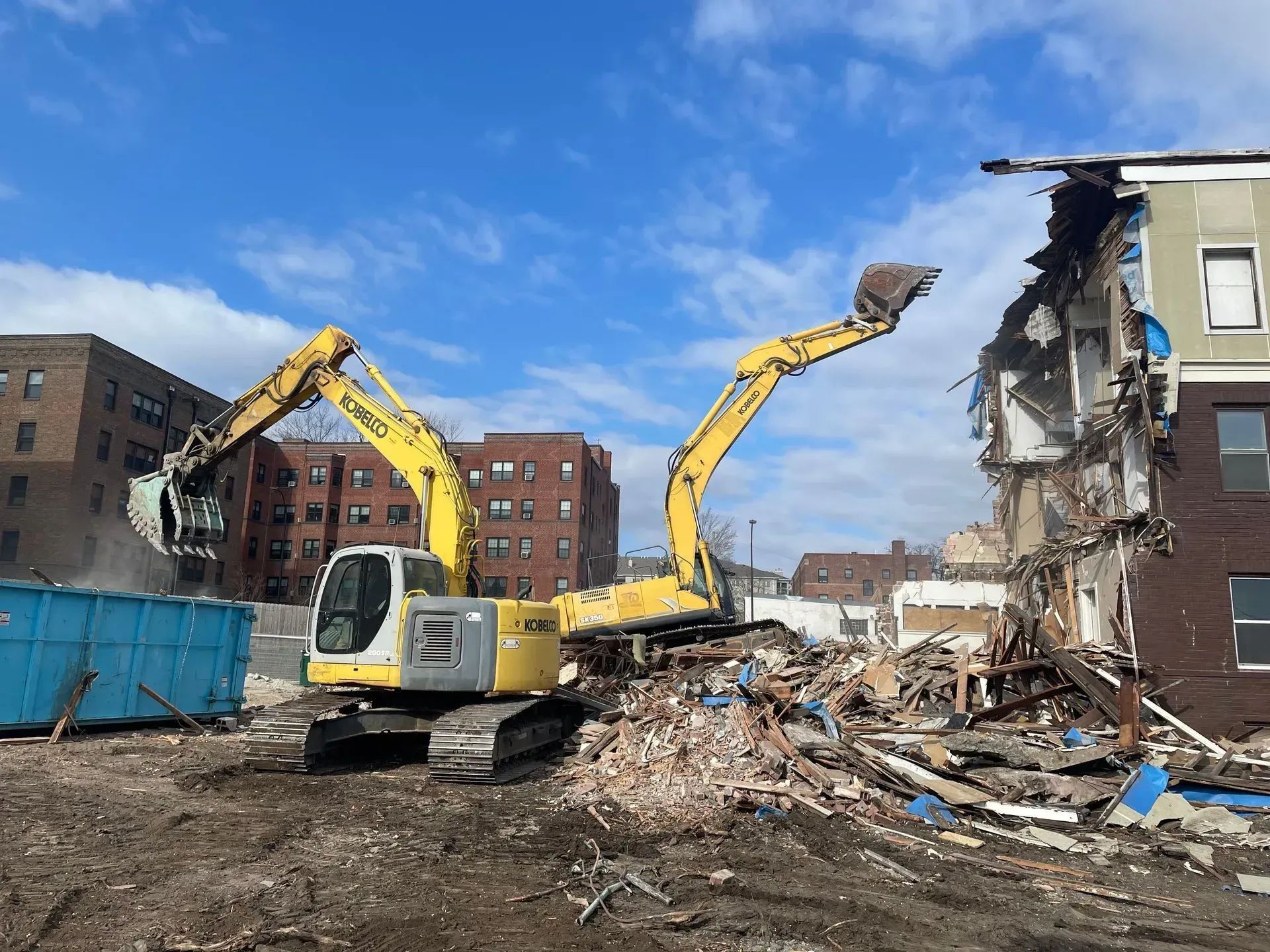
Traditional demolition moves fast. A crew brings the structure down in large sections and clears the site in days. Deconstruction takes it apart in a planned order, often removing fixtures, doors, trim, and reusable framing by hand before the heavier equipment moves in on what is left. It takes longer. It also recovers far more material intact, which matters when salvage or a high recycling target is part of the goal.
Sorting and Recycling Debris Instead of Landfilling It
Here is the part that surprises a lot of first-time commercial clients: most of what comes out of a demolition site is not trash. Concrete, brick, and asphalt can be crushed into aggregate and used again in road base or new concrete mixes. Steel and other metals get pulled, baled, and sold to scrap processors, where they get melted down and reused rather than sitting in a landfill for decades. Wood framing, when it is not treated or painted with older coatings, can go to mulch, biomass fuel, or in some cases direct reuse.
Nationally, the volume is enormous. The EPA has tracked more than 600 million tons of construction and demolition debris generated in a single recent year, more than twice the municipal trash generated across the entire country in that same period. Most of that material, tracked by weight, gets recovered into aggregate, fuel, or other manufactured products rather than buried. Concrete recovery alone accounts for the largest share of that recovery, since crushed concrete has a ready market in road and site work.
What Has To Happen For Recycling To Work?
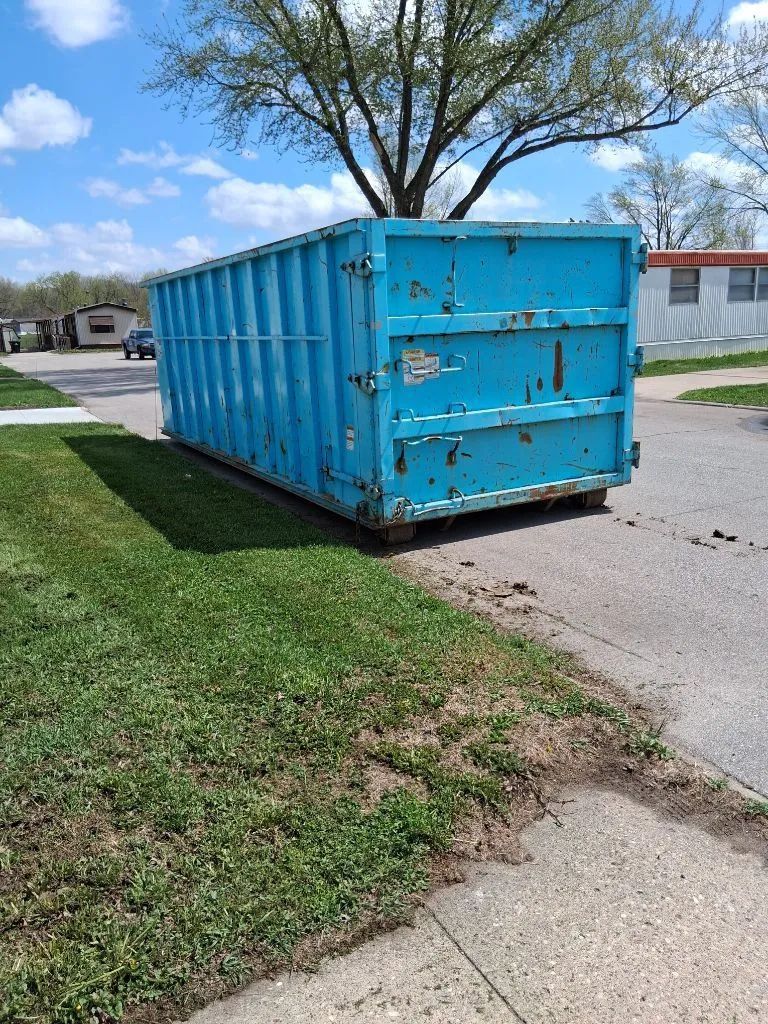
Sorting only pays off if it happens on site, while the material is still separated by type. Once concrete, wood, and metal get mixed together in a single load, separating them afterward gets expensive and often does not happen at all. A demolition crew that plans for recycling sets up separate containers or staging areas from day one, not after the fact.
TIP: Ask your demolition contractor before the project starts what percentage of debris they expect to divert from the landfill and how they plan to sort it on site. A contractor who has a real answer, not a vague estimate, is one who actually plans for recycling instead of treating it as an afterthought.
Deconstruction: Salvaging What's Worth Keeping Before the Crush
Not everything inside a building belongs in a dumpster. Architectural elements, certain mechanical units, structural steel, brick, and fixtures often have value if they come out in one piece instead of getting crushed with the rest of the structure. A deconstruction approach flags those items early and pulls them by hand before the heavier demolition work begins.
This matters most on older commercial buildings, where materials like solid wood millwork, cast iron fixtures, or brick that is no longer manufactured the same way can be worth reclaiming. On a school, bank, or older downtown building, that salvage work can mean the difference between sending usable materials to a landfill and getting them back into circulation through a reuse market or a future project.
It also changes the pace of a project. Deconstruction takes more labor and more time than a straight teardown, since crews are removing items by hand instead of letting equipment take a wall down in one pass. That tradeoff is worth discussing early, before the schedule gets locked, so it can be weighed against how much salvage actually matters for your project.
Controlling Dust and Airborne Debris During the Teardown
Environmental impact is not only about where material ends up. It is also about what goes into the air while the work is happening. Demolition throws a lot of dust, and older buildings especially can release particles from drywall, insulation, and aging surface coatings.
Water Suppression During The Teardown
Crews use water misting and direct spray to keep dust down as material comes apart, especially during concrete breaking and interior demo. Wetting material before it is disturbed cuts down on what gets carried into the air, which matters for air quality on the site and for neighboring properties.
Containment On Tighter Sites
On urban lots or projects near occupied buildings, barriers and controlled sequencing keep dust and debris from drifting off the property line. This is as much a neighbor-relations issue as an environmental one, since uncontrolled dust does not stay where it started.
Central Iowa sees its share of dry, windy stretches in late summer and fall, which makes dust control something a crew has to actively manage rather than assume will take care of itself. A demolition team that plans for weather, not just for the structure, keeps a site cleaner through the whole project.
Where the Materials Actually Go After They Leave Your Site
It helps to know what "recycled" actually means once material leaves a job site. Crushed concrete typically goes to an aggregate processor, where it gets screened and sized for use in road base, fill, or new concrete. Scrap metal goes to a metal recycler, gets sorted by grade, and is melted down for reuse in manufacturing. Clean wood can go to a mulch or biomass facility. Anything hazardous, like asbestos-containing material identified during a pre-demolition survey, follows its own separate handling path and never enters the general recycling stream.
WARNING: Never assume all demolition debris can be recycled together. Materials contaminated with hazardous substances, mixed with treated wood, or coated with older paints and finishes require separate handling and cannot go into a standard recycling stream. Mixing them in risks contaminating an entire load of otherwise recoverable material.
Understanding this chain matters for anyone setting recycling or diversion goals for a project. A demolition contractor who can tell you where each material stream is headed, not just that it is being "recycled," gives you something you can actually verify.
Why This Matters for Your Project's Sustainability Goals
For developers and property owners working toward broader sustainability targets, material recovery from demolition can factor into that picture. Rating systems like LEED recognize reclaimed and recycled materials as part of a project's overall resource use, and some programs give credit for demonstrated waste diversion above a set threshold. None of that is a substitute for talking with your project's design or certification team about what your specific goals require. It is simply worth knowing that the demolition phase is not separate from those goals. It is often where a meaningful share of them gets decided.
Beyond formal certification, there is a simpler case for eco-friendly demolition: it is generally the more efficient use of material. Concrete that gets crushed into new aggregate did not need to be mined and processed from scratch. Steel that gets melted down and reused skips a chunk of the energy that goes into producing new steel. None of that requires a certification to matter to a project team that cares about it.
Frequently Asked Questions
What actually makes demolition "eco-friendly"?
Eco-friendly demolition involves sorting debris, salvaging reusable materials, controlling dust, and sending recyclable materials to appropriate processors. These practices reduce landfill waste and make demolition more responsible without requiring a specific certification.
Does eco-friendly demolition cost more than traditional demolition?
Costs depend on project size, material recovery goals, and the amount of deconstruction required. Additional sorting, separate hauling, and manual salvage can increase labor, although recovered materials may offset some project costs.
Can concrete really be recycled after demolition?
Yes, demolished concrete can be crushed and processed into aggregate for road base, fill, and other construction applications. Concrete is one of the most widely recovered construction and demolition materials, reducing landfill disposal significantly.
What is the difference between demolition and deconstruction?
Demolition typically uses heavy equipment to bring down a structure quickly, while deconstruction carefully dismantles it in stages. Deconstruction requires more labor and time but allows crews to recover more reusable materials intact.
Does eco-friendly demolition help with LEED or other sustainability certifications?
Eco-friendly demolition can support sustainability goals through material reuse, recycling, and documented waste diversion. However, specific LEED or certification credits vary by project, so requirements should be confirmed with the appropriate certification team.
How do I know if my demolition contractor is actually recycling debris?
Ask where concrete, metal, wood, and other materials will go after removal. A contractor should clearly explain its sorting process, recycling destinations, and diversion practices rather than simply claiming that most debris gets recycled.
The Teardown Decides More Than the Rebuild Realizes
The demolition phase can shape a project's environmental impact long before the new building takes form. Recovering concrete, metal, wood, and reusable fixtures keeps valuable materials in circulation while reducing the amount of debris sent to landfills. Careful sorting, salvage, deconstruction, and dust control also create a cleaner, more manageable site for the work that follows. For Iowa property owners and commercial project teams, those choices turn demolition from simple removal into a more responsible part of the overall construction process.
Eco-friendly demolition works best when recovery is considered from the beginning rather than added after the structure is already coming down. In Des Moines, Iowa, Blue Sky Cleaning and Demolition Services
brings 20
years of experience to commercial
demolition projects, applying practical material recovery and site-control methods based on the building, schedule, and project requirements. The result is a demolition process that clears the property while giving useful materials a better path forward.