How Demolition Foremen Manage Safety on the Job Site in Des Moines, IA
November 2, 2026

Quick Answer: A demolition foreman manages safety by setting it up before the first cut and keeping it active every shift. That means walking the building to find hazards, confirming utilities are shut off or controlled, laying out controlled work zones, briefing the crew each day, matching protective equipment and methods to each task, controlling dust and debris, supervising equipment movement, and stopping work when conditions change. The foreman is the person who turns a safety plan on paper into daily habits on site.
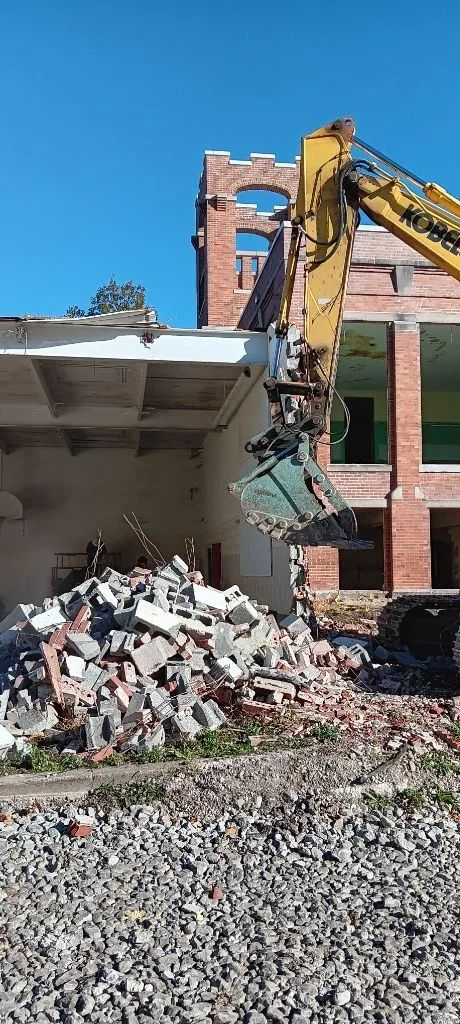
It is 6:45 on a cold Des Moines morning, and the crew is gathering by the loading door of a commercial building that is about to be gutted. The excavator is warming up. A dumpster sits where the plan said it would. The general contractor's superintendent is on the phone, and the owner wants to know why the schedule has not moved. In the middle of all of it stands the foreman, who has one job that outranks the rest: nobody gets hurt today.
If you manage projects as a general contractor, developer, or facility manager, you hand a great deal of trust to the person who runs the demolition crew. Demolition is the phase where structures are taken apart, materials are broken and moved, and conditions inside walls and floors are not fully known until the work exposes them. This article explains how a demolition foreman actually manages safety day to day, so you know what good looks like and what questions to ask when you are choosing a contractor.
Why the Foreman Sits at the Center of Site Safety
A safety plan is a document. A foreman is the person who makes it real. The company may write the procedures and the project manager may approve them, but it is the foreman who stands on the slab at the start of each shift, decides whether conditions match the plan, and tells people what to do when they do not.
That role carries several responsibilities at once. The foreman supervises the crew, directs equipment, communicates with the general contractor and other trades, watches the structure, and keeps the work moving on schedule. Safety is not a separate task on that list. It is the filter every other decision passes through. A good foreman will slow a cut, move a machine, or pause a task, even when the schedule is tight, because a stopped job can restart and an injury cannot be undone.
For you as the buyer, this means the quality of the foreman matters as much as the quality of the equipment. Ask who will run the job, how long they have been doing demolition, and what kinds of buildings they have worked on. Blue Sky Cleaning and Demolition Services
notes that its team is made up of skilled, long term employees, and that kind of continuity is exactly what lets a foreman know how each person on the crew works.
Step One: Walking the Building Before Work Starts
The safest demolition jobs are won before any machine moves. The foreman, often with a supervisor or estimator, walks the building and looks for what could go wrong.
Structural Condition
Weaknesses in a building are often hidden inside walls, floors, and roof systems, so the foreman looks for signs of past damage, previous alterations, sagging members, water staining, and anything that suggests a load is carried differently than the drawings show. Where the question is serious, the answer is a structural review before the work begins, not a guess during it.
Hazardous Materials
Older buildings can contain asbestos, lead paint, and other materials that become hazards once they are disturbed. The foreman confirms that the right assessment has been done and that suspect materials are identified before anyone cuts, sands, or breaks them. Blue Sky lists a site evaluation, hazard identification, and asbestos assessment among the steps of its demolition process.
Site Conditions
Access routes, overhead lines, adjacent buildings, public sidewalks, parking, drainage, and ground conditions all affect how the work is staged. A foreman who understands the surroundings can place the equipment, the dumpsters, and the barriers in a way that keeps people away from the work.
Documentation
The findings are written down. A job hazard review for each major task, updated when the building surprises the crew, gives everyone a shared picture of what they are dealing with.
TIP: Give the demolition contractor every drawing, renovation record, and prior inspection report you have before the first walkthrough. Even an incomplete set tells the foreman where to look first, and what the foreman finds on the walk shapes every safety decision that follows.
Step Two: Utilities Come First
No part of demolition safety is more basic than knowing what is live. Electrical lines, gas piping, water, sewer, and sometimes steam or compressed air all run through commercial buildings, and many of them have been altered over the years.
A foreman treats utilities as a verification task, not an assumption. Each service is identified, shut off or isolated, and confirmed before work reaches it. For underground work, such as removing a slab or footing, locate requests go out before machines break ground. Blue Sky's demolition page lists securing utilities as part of site preparation, and its interior demolition page names utility shutoffs among the practices that keep work safe.
In an occupied building, some utilities have to stay on for the areas that remain open. That makes the foreman's job harder, because the crew is working beside live services. Marking those lines clearly, briefing the crew on where they are, and cutting with extra care near them become part of every shift.
Step Three: Laying Out Controlled Work Zones
Once the hazards are known, the foreman decides where people can and cannot be.
Exclusion Zones
Areas where debris may fall, where machines swing, or where a structure may move are marked and kept clear. Barriers, tape, fencing, and signs make the boundary visible, and the foreman enforces it, including with visitors, deliveries, and other trades who might wander in.
Separate Paths For People And Machines
Excavators, skid steers, and loaders move in predictable routes. Workers on foot use different ones. Where the two have to cross, the foreman assigns a spotter or a signal system so the machine operator is never working blind.
Staging For Debris
Dumpsters, debris piles, and material staging are placed so that hauling does not run through work areas. Blue Sky provides roll off dumpsters alongside its demolition work, which allows placement and swap timing to be planned with the demolition sequence rather than coordinated across separate vendors.
Protection For What Stays
On selective and interior work, the foreman marks what is being preserved before anyone starts. Temporary bracing and covered surfaces protect kept structure and finishes. Blue Sky describes temporary bracing and secure coverings as part of its interior demolition services.
Step Four: The Daily Briefing
Conditions change faster in demolition than in almost any other trade. A wall removed yesterday opens a view into a ceiling that was hidden. A rainy night changes the ground a machine will sit on. A new crew member arrives on Tuesday. That is why the daily briefing is one of the foreman's most useful tools.
Plan for the day. The crew hears what will be demolished, in what order, with which equipment, and what has changed since yesterday.
Hazards for the day. The foreman names the specific risks of the task at hand: a wall that holds a shared pipe, a section of ceiling with unknown material above it, a machine working near an exposed edge, or a hot day that raises the risk of heat stress.
Roles and signals. Everyone knows who is operating, who is spotting, who is handling debris, and how stops are called. Hand signals and radio protocols are repeated, because the noise of a demolition site makes them the main line of communication.
Open questions. A good briefing is not a lecture. The foreman invites the crew to speak up about anything they see, and listens. The person closest to the work often notices a problem first.
Step Five: Matching Methods and Protective Equipment to the Task
Not every demolition task carries the same risk, and not every one uses the same method. The foreman chooses the approach that fits the building and the hazard.
Method Selection
Hand demolition suits tight areas and delicate work. Machine demolition covers large volumes quickly. Concrete wall sawing makes clean, controlled cuts with less vibration than breaking a wall apart, which is why it is used when the space next to the wall is occupied or sensitive. Blue Sky lists concrete wall sawing and controlled demolition methods among its capabilities.
Protective Equipment
Hard hats, eye protection, gloves, boots, hearing protection, and respiratory protection are chosen to match the task, not issued as a blanket rule. Breaking concrete releases fine dust that calls for respirators, a loud saw calls for hearing protection, and work overhead calls for head protection. The foreman checks that equipment is worn, fits, and is in good condition.
Equipment Condition
Machines are inspected at the start of the shift. A hydraulic leak, a worn track, or a damaged attachment is dealt with before it is used.
Training And Fit
Tasks are assigned to people who are trained for them. A foreman who knows the crew will put the most experienced operator on the most demanding cut.
Step Six: Controlling Dust, Debris, and Noise
Demolition creates things that travel: dust, flying fragments, falling material, and sound. Controlling them protects the crew and everyone around the site.
Dust
Water spray, containment barriers, sealed openings, and ventilation limit how far dust spreads. Blue Sky's interior demolition service describes dust and debris containment using plastic sheeting and ventilation systems. In an occupied building, the foreman also watches ducts and returns that can carry dust into other areas of the building.
Debris
Material is removed as it is produced so it does not pile up on floors that need to stay clear or on edges that could give way. Sorting recyclable materials as the work proceeds also keeps loads cleaner and the site tidier.
Noise
Noisy work is scheduled with the building's occupants in mind. In schools, clinics, and banks, the foreman often works with the owner to move loud tasks to times when they cause the least disruption.
WARNING: Never let a crew work in an area where nobody has confirmed what is above, behind, or below the cut. A ceiling that has not been inspected or a wall that has not been scanned can hold live services, hazardous material, or load carrying members, and a foreman who skips that step is gambling with the crew.
Step Seven: Handling Surprises and Stopping Work
No inspection finds everything. The real test of a foreman is what happens when the building does something unexpected.
Stop And Assess
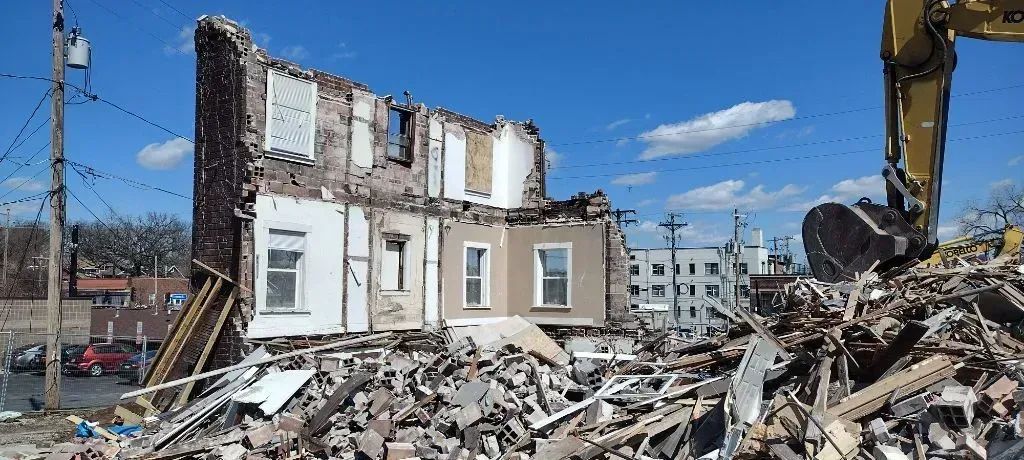
When an unplanned condition appears, such as an unmapped line, an unidentified material, a cracked member, or a section that shifts, work stops in that area. The crew moves out of any zone that could be affected.
Shore And Confirm
If structure is involved, the foreman calls for temporary supports and, where needed, input from the engineer. Work resumes only when the area has been made safe and the revised plan has been shared with the crew.
Communicate Up The Line
The general contractor and the owner hear about the condition early, along with its effect on the schedule. A foreman who reports a problem on Tuesday is far more useful than one who hides it until Friday.
Document It
The change is recorded so the next shift knows what was found and how it was handled. Blue Sky says its team is trained to adapt to unexpected challenges and has contingency plans in place, which reflects this same approach.
Safety in the Des Moines Climate
Local conditions add their own hazards, and an experienced foreman plans around them.
Cold And Ice
Winter mornings bring ice on access routes, frozen ground, and cold hands that lose grip. The foreman checks walking surfaces, clears and treats them, and adjusts the start of work as needed.
Heat And Humidity
Summer work in respirators and protective clothing raises the risk of heat stress. Water, shade, rest breaks, and watching each other for warning signs become part of the plan.
Wind And Rain
High wind changes how dust and light debris travel and can limit crane or machine work on exterior jobs. Rain softens the ground under heavy equipment and turns staging areas to mud.
Daylight
Short winter days mean tasks that need good visibility are scheduled for the middle of the day, and lighting is added for interior work.
What You Can Do to Support a Safe Site
Safety is not only the foreman's responsibility. The people who manage the project also shape the conditions.
Share Information Early
Provide plans, records, and hazard reports to the foreman before work begins to support proper preparation and reduce unexpected risks.
Respect The Work Zones
Keep other trades, owners, and visitors outside restricted work areas unless the foreman grants permission to enter.
Build In Room For Surprises
Allow flexibility in the schedule so the foreman can pause work when unexpected hazards or conditions require attention.
Join The Pre-Job Meeting
Meet with the foreman before work starts to review plans, ask questions, and agree on how changes will be communicated.
Frequently Asked Questions
What does a demolition foreman do all day?
The foreman supervises the crew, directs equipment, and keeps in touch with the general contractor. Each shift includes the morning briefing, equipment checks, work zone setup, and calls on when to pause or change course.
How does a foreman keep a crew safe around heavy equipment?
By keeping machines and people apart, assigning spotters where paths cross, agreeing on signals before the shift, and inspecting equipment daily. Anyone on foot stays clear of swing and fall zones.
How are hazardous materials handled on a demolition job?
They are identified through an assessment before work begins. If suspect materials turn up, the sequence changes so specialists handle them separately before general demolition continues in that area.
Can demolition safely take place in an occupied building?
Often yes, with planning. Phased work zones, dust containment, protected paths, and noise control let work proceed beside occupants, while the foreman keeps boundaries clear and checks that they hold.
What happens when the crew finds something unexpected?
Work stops in the affected area and the crew moves clear. The foreman assesses the condition, adds temporary supports if needed, informs the general contractor, and documents the change for the next shift.
What should I ask a contractor about job site safety before hiring?
Ask who will lead the crew and how long they have run similar jobs. Also ask how they assess buildings, verify utilities, control dust in occupied spaces, and brief the crew daily.
Safe Demolition Starts With a Careful Foreman
A safe demolition job grows out of hundreds of small decisions made well, from the first walk through the building to the last debris load leaving the site. Confirmed utilities, marked work zones, a clear morning briefing, and the willingness to stop when conditions change all rest on the foreman running the crew. Project managers who understand that role can ask sharper questions and plan schedules with room to breathe. Good habits on the ground protect people long before any wall comes down.
Blue Sky Cleaning and Demolition Services
brings 20
years of commercial focus to Des Moines, IA, and its approach shows in how each project begins with evaluation, hazard identification, and secured utilities. Crews that work together season after season learn to read a building and one another with ease. That steady experience lets the work move forward on schedule while everyone goes home safe, leaving the next trade a clean, ready space to build on.