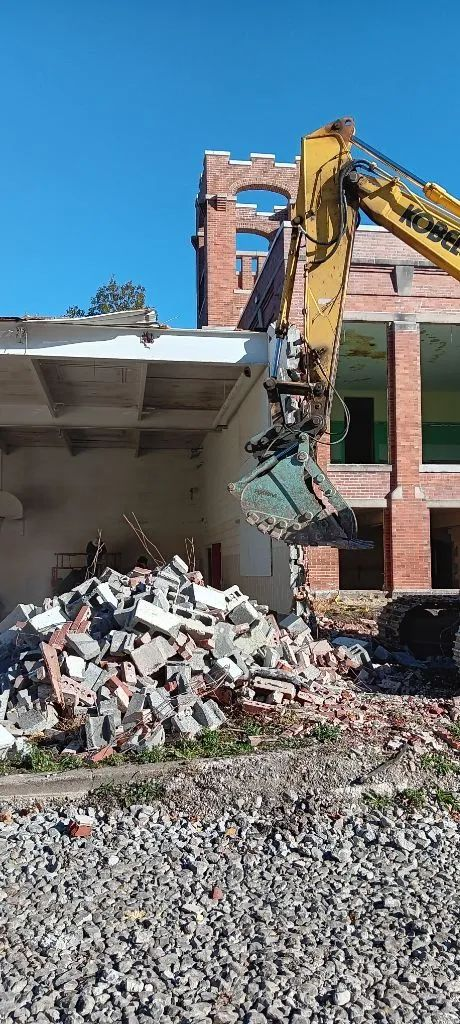
The Importance of Safe Demolition Practices in Des Moines Construction Projects

March 24, 2026

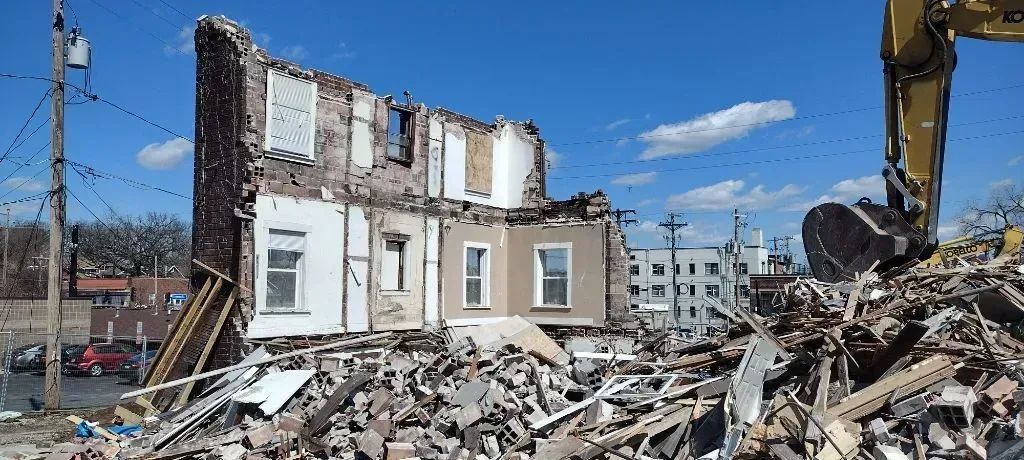
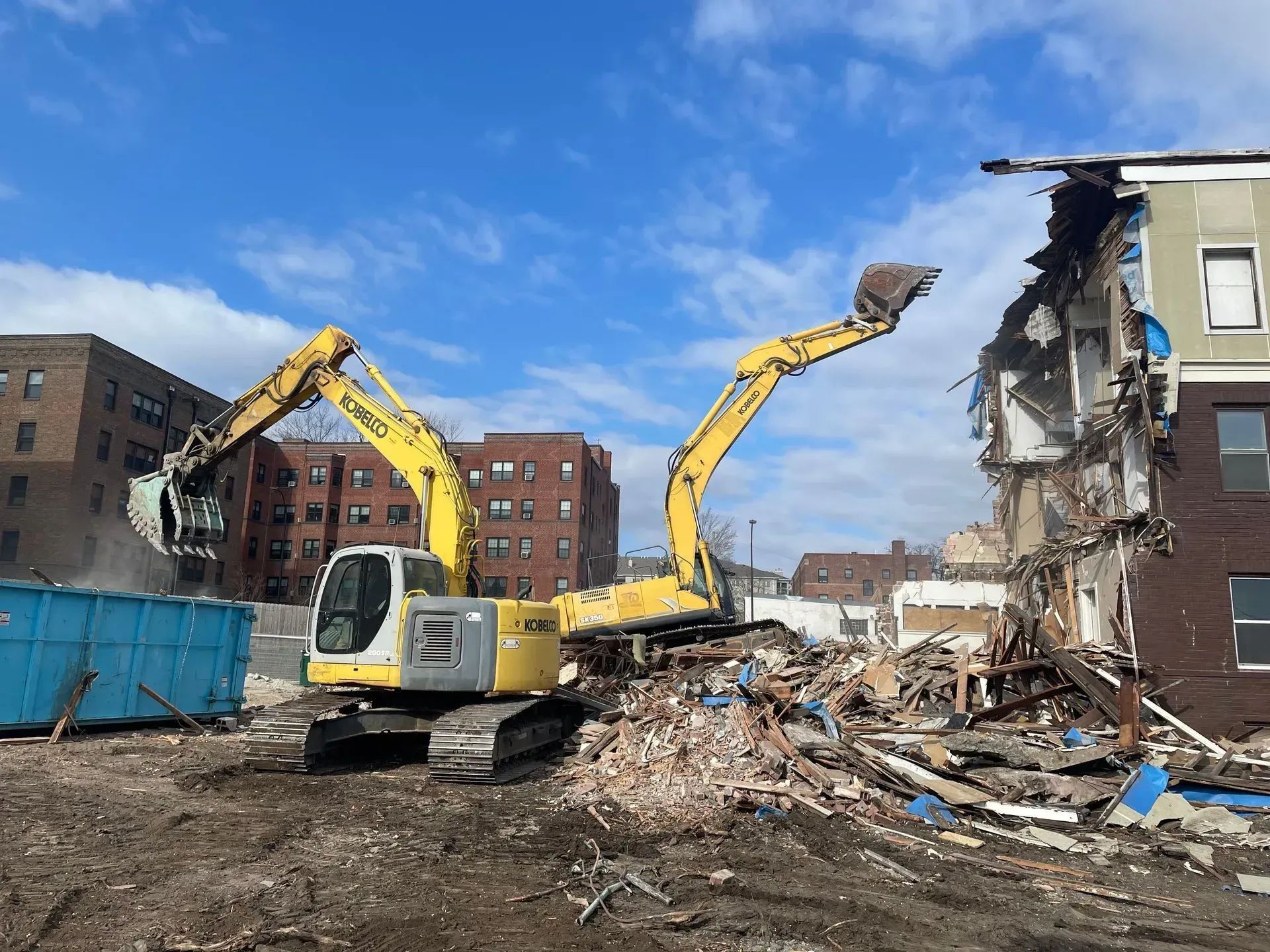
Demolition is a critical phase in many construction projects, laying the foundation for new development by removing existing structures. However, it’s also one of the most dangerous stages when not executed with precision and safety in mind. In Des Moines, where urban growth and redevelopment are thriving, adhering to strict demolition safety standards is not just a best practice—it’s a legal and ethical responsibility. From residential teardowns to commercial site clearance, safe demolition minimizes risks to workers, neighboring properties, and the environment. This blog highlights why safe demolition practices are essential and what professional contractors should prioritize to ensure every project is completed without incident.

1. Protecting Worker and Public Safety

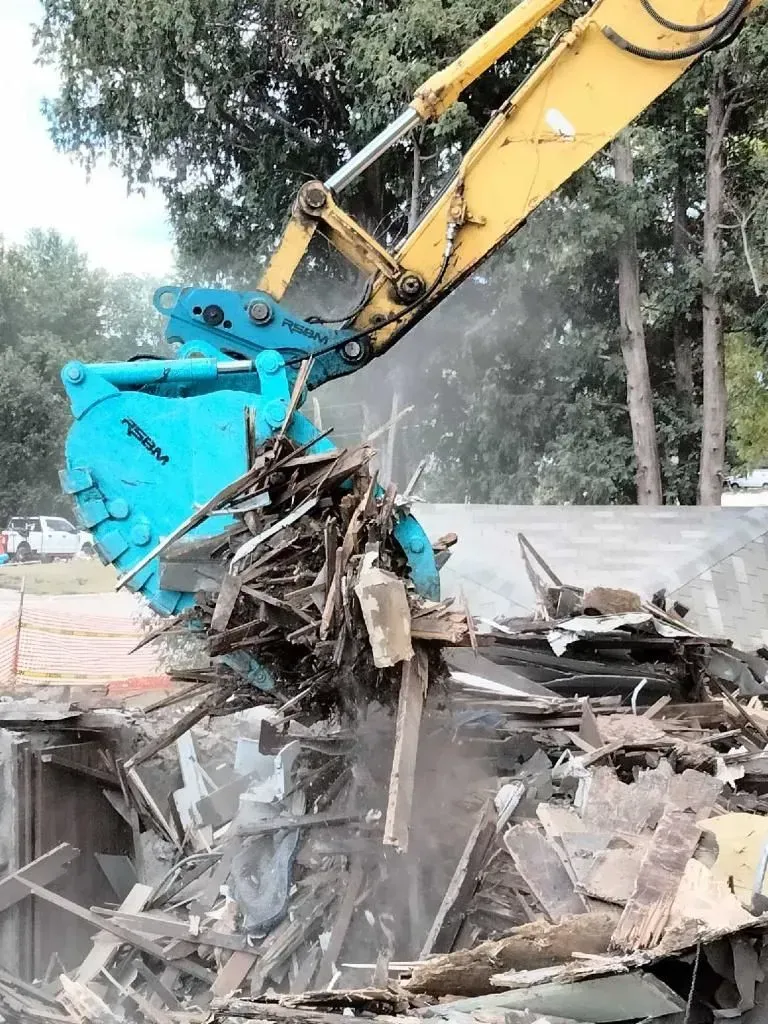
Demolition involves heavy machinery, falling debris, unstable structures, and potential exposure to hazardous materials. Without proper protocols, accidents such as falls, equipment malfunctions, or structural collapses can result in severe injury or even fatalities. Professional demolition teams conduct risk assessments, secure the site perimeter, and use protective gear and machinery safeguards to protect both workers and the surrounding public from harm.

2. Managing Hazardous Materials

Older buildings often contain materials like asbestos, lead paint, or mold, which pose serious health risks if disturbed improperly. Safe demolition includes the identification and abatement of these substances in accordance with federal and state regulations. By hiring certified professionals, project managers ensure that hazardous materials are removed and disposed of safely, reducing environmental contamination and protecting the health of workers and nearby residents.

3. Preventing Structural Collapses and Property Damage

In densely populated areas like Des Moines, where buildings are often located close together, an uncontrolled demolition can cause unintentional damage to adjacent structures or infrastructure. Safe practices involve detailed planning, controlled deconstruction techniques, and shoring or bracing as needed. These precautions ensure that only the intended structure is taken down while minimizing vibrations, debris, and collateral damage.

4. Complying with Local Codes and Permits

Every demolition project in Des Moines must meet city regulations, including obtaining proper permits and complying with zoning laws, utility disconnections, noise ordinances, and environmental guidelines. Safe demolition isn’t just about physical execution—it’s also about following the law. Professional demolition contractors understand the permitting process, maintain detailed documentation, and coordinate with local authorities to keep projects on schedule and in full compliance.


Safe demolition practices are essential to every successful construction project. They protect lives, prevent costly delays, and uphold the reputation of responsible contractors. Whether it’s clearing space for a new build or removing outdated infrastructure, the safety-first approach ensures long-term success and community trust.


With 20 years of experience, Blue Sky Cleaning and Demolition Services proudly serves Des Moines, Iowa, offering professional demolition solutions rooted in safety, precision, and environmental responsibility. Our experienced team is committed to delivering efficient site clearing while maintaining the highest standards of workplace and public safety.

A person in an orange shirt and hard hat sweeps construction debris into a large plastic bin inside a room.
March 28, 2026
After the final nail is hammered and the last fixture installed, construction may be complete, but the job isn’t finished until the site is thoroughly cleaned. Post-construction clean-up is an essential phase that transforms a dusty, debris-filled structure into a clean, safe, and livable space.
A yellow excavator arm demolishing the top level of a building, causing dust and debris to scatter.
March 25, 2026
A commercial demolition occurs when an outdated or underutilized commercial structure is demolished, and all of the building's structural elements, including the walls, floors, roofs, and any fixtures or equipment that may be affixed, are removed.
A close-up of a pile of construction rubble and debris in front of an unfinished building structure.
March 25, 2026
Exterior commercial demolition breathes new life into urban environments, clearing the path for contemporary developments and revitalized structures.
A person in an orange shirt and hard hat sweeps construction debris into a large plastic bin inside a room.
March 28, 2026
After the final nail is hammered and the last fixture installed, construction may be complete, but the job isn’t finished until the site is thoroughly cleaned. Post-construction clean-up is an essential phase that transforms a dusty, debris-filled structure into a clean, safe, and livable space.
A yellow excavator arm demolishing the top level of a building, causing dust and debris to scatter.
March 25, 2026
A commercial demolition occurs when an outdated or underutilized commercial structure is demolished, and all of the building's structural elements, including the walls, floors, roofs, and any fixtures or equipment that may be affixed, are removed.
A close-up of a pile of construction rubble and debris in front of an unfinished building structure.
March 25, 2026
Exterior commercial demolition breathes new life into urban environments, clearing the path for contemporary developments and revitalized structures.
Show More